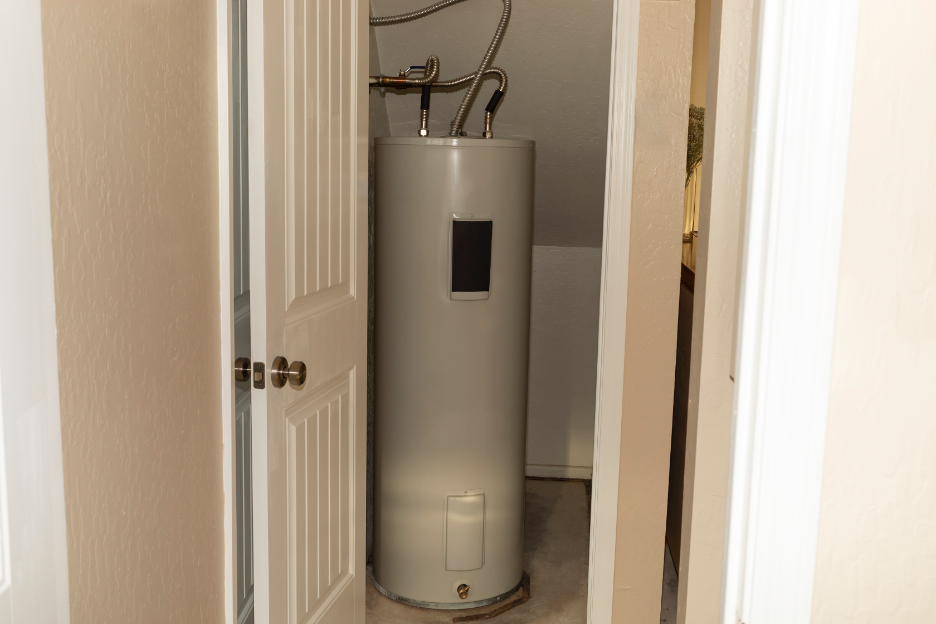
A new water heater can improve energy efficiency when the current unit is older, poorly sized, losing performance, or using more energy than it should to keep up with daily hot water needs. As water heaters age, sediment buildup, worn components, heat loss, and inconsistent operation can all make the system work harder than necessary.
Below, this water heater installer in Glenview, Illinois is going to explain how a new water heater can improve energy efficiency.
Can a New Water Heater Improve Energy Efficiency?
Yes. A new water heater can improve energy efficiency if the existing system is outdated, inefficient, or no longer operating properly. Newer units are often designed to heat water more efficiently, maintain temperature more effectively, and support the household’s hot water needs with less wasted energy.
The improvement depends on the type of water heater, the size of the unit, the home’s hot water usage, and the condition of the old system. A new unit should be selected based on how the home uses hot water.
The goal is not just to replace the equipment, but to install a system that fits the home more accurately.
Why Do Older Water Heaters Become Less Efficient?
Older water heaters can become less efficient because internal parts wear down over time. Sediment can settle at the bottom of a tank, heating elements or burners may not perform as well, and the system may need to run longer to produce the same amount of hot water.
Aging water heaters may also lose heat more easily or struggle to recover after heavy use. If the unit is making noise, running out of hot water quickly, leaking, or producing inconsistent temperatures, it may no longer be working efficiently.
An aging system should be evaluated before it fails completely.
How Does Proper Sizing Affect Efficiency?
Proper sizing affects efficiency because a water heater needs to match the household’s demand. A unit that is too small may run constantly and still fail to provide enough hot water. A unit that is too large may use more energy than needed to maintain hot water that the home does not regularly use.
Sizing should account for the number of people in the home, bathing habits, laundry use, dishwasher use, and whether several fixtures often need hot water at the same time.
A good water heater installer in Glenview, Illinois can help match the unit to the home’s actual hot water needs.
Can Sediment Buildup Affect Energy Use?
Yes. Sediment buildup can affect how efficiently a tank-style water heater works. Minerals in the water can settle at the bottom of the tank, creating a layer between the heating source and the water.
When that happens, the system may take longer to heat the water. It may also make popping, rumbling, or banging sounds as it operates.
If sediment buildup has been affecting performance for a long time, replacing the water heater may be a better option than continuing to rely on an older unit.
Does the Type of Water Heater Matter?
Yes. The type of water heater matters because different systems heat and store water in different ways. A traditional tank-style water heater stores hot water until it is needed. A tankless water heater heats water as it passes through the unit.
Each option has different performance characteristics, space requirements, venting needs, and installation considerations. The right choice depends on the home, the existing plumbing setup, and the household’s hot water routine.
A new water heater should be chosen based on both efficiency and everyday usability.
Can a New Water Heater Improve Hot Water Recovery?
Yes. A new water heater may improve hot water recovery if the old unit is struggling to keep up. Recovery refers to how quickly the system can heat more water after hot water has been used.
If showers turn cold quickly or the household is forced to wait a long time between hot water uses, the current system may not be the right fit anymore. A newer, properly sized unit can help provide more consistent performance.
A professional water heater installer in Glenview, Illinois can review your system’s recovery needs before recommending a replacement.
Why Does Installation Quality Matter?
Installation quality matters because even an efficient water heater can perform poorly if it is not installed correctly. Proper connections, venting, drainage, temperature settings, expansion control, and code compliance all affect how the system operates.
A water heater also needs to be installed in a way that works with the home’s plumbing layout and available space. If the setup is wrong, the system may not perform as expected.
Professional installation helps the new unit operate safely and efficiently from the start.
Should I Look at the Efficiency Rating?
Yes. The efficiency rating can help you compare water heater options. These ratings are designed to show how efficiently a unit uses energy to produce hot water.
However, the rating should not be the only factor. A highly efficient unit still needs to be properly sized, compatible with the home, and able to meet the household’s hot water needs.
Efficiency, capacity, recovery, fuel type, installation requirements, and long-term performance should all be considered together.
What Are Signs My Current Water Heater Is Wasting Energy?
Signs your current water heater may be wasting energy include inconsistent hot water, long recovery times, rumbling sounds, repeated repairs, rusty water, visible leaks, or a unit that seems to run more than it should.
You may also notice that the water takes longer to get hot or that the system no longer keeps up with normal use. These issues can point to age, sediment buildup, worn parts, or a water heater that is no longer sized correctly for the home.
For homeowners in the Glenview area, these signs are a good reason to have the system inspected before choosing a replacement.
Is Replacement Always the Right Answer?
No. Replacement is not always the right answer. Some water heater problems can be repaired, especially if the unit is newer and the issue is limited to one component.
However, replacement may make more sense when the unit is older, leaking, inefficient, undersized, heavily corroded, or requiring frequent service. A professional inspection can help determine whether repair or replacement is the better path.
The decision should be based on the condition of the water heater and the needs of the home.
Looking for a Water Heater Installer in Glenview, Illinois?
A new water heater can improve energy efficiency when the existing unit is old, poorly sized, slow to recover, affected by sediment buildup, or no longer meeting your household’s hot water needs. If your system is unreliable, noisy, leaking, or struggling to keep up, an experienced water heater installer in Glenview, Illinois can help you choose a replacement that fits your home.
At R Carrozza Plumbing Co, we help homeowners with water heater installation, replacement, repair, and maintenance. Contact us to replace an aging water heater with a system that supports more reliable hot water and better energy performance.