Severe storms can last for hours and put excessive load on backup sump pump systems. Because of this, many homeowners want to know how long a backup battery will last when the weather turns bad. To help you set realistic expectations, this backup sump pump installer in Park Ridge, Illinois is going to explain what affects battery life, and what you should keep in mind during severe weather.
How does a backup sump pump battery work when the power goes out?
When the primary sump pump cannot run (most commonly during a power outage), the backup sump pump battery automatically activates. Once it turns on, the system pumps water away from the foundation to reduce the risk of basement flooding. This automatic response is what makes battery backup systems a critical safeguard during storms.
But you should keep in mind that manufacturers design backup sump pumps exclusively for emergencies. Their main purpose is to provide temporary protection during short-term outages and not to replace a primary pump indefinitely.
To help homeowners estimate performance, battery manufacturers publish estimated runtimes after testing batteries in controlled environments. These tests assume steady water flow, limited pump cycles and, of course, a new and fully charged battery. Real storms rarely match those ideal conditions.
During heavy rainfall, the ground can become saturated and force more water into the sump pit. As a result, the pump must run more frequently and for longer periods. Higher demand naturally reduces how long a backup battery can supply power. Battery age and extended outages can also affect performance.
For these reasons, you should see manufacturer ratings as a starting point rather than a guarantee. They do not reflect extreme storm conditions, which is why battery runtimes during extreme weather tend to fall short of manufacturers’ advertised figures. For guidance specific to your home, you can always reach out to your backup sump pump installer in Park Ridge, Illinois.
How long can a backup sump pump battery run?
Ultimately, backup battery runtime depends on real-world conditions during a storm. While battery size is important, pump usage plays an equally important role. When water continues to enter the sump pit, the pump cycles more frequently and frequent cycling drains the battery faster.
In mild storms or during brief outages, a properly sized battery can last most of the day. In contrast, severe weather that requires near-constant pumping can drain a battery in only a few hours.
Because storm conditions can change quickly, battery life can be unpredictable. This uncertainty is why proper backup pump sizing and routine maintenance are important.
How can installation affect how long your backup sump pump battery lasts?
Beyond weather and battery capacity, installation quality also directly impacts battery performance. A properly installed system runs when necessary, which conserves power and extends runtime.
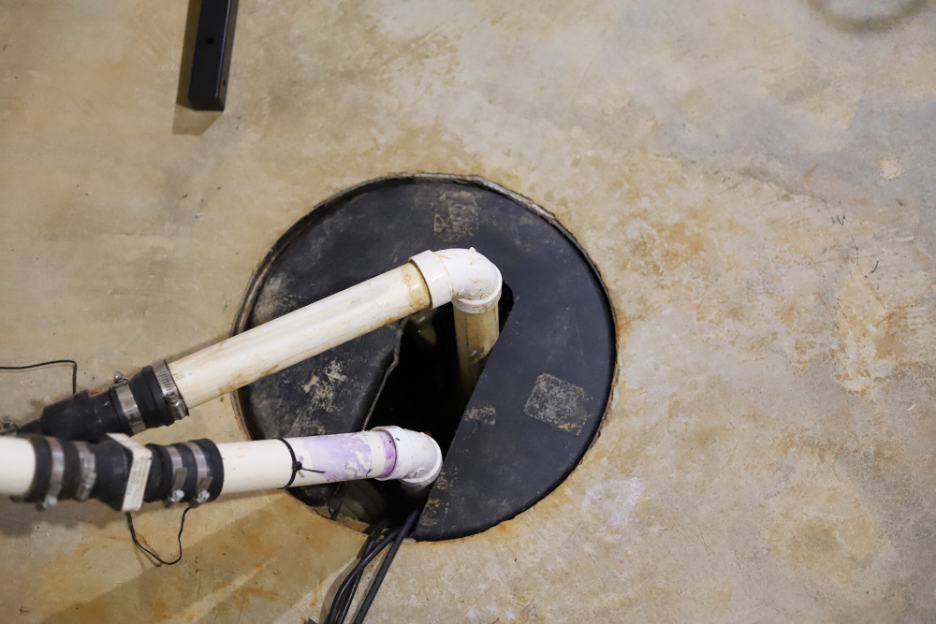
A good backup sump pump installer in Park Ridge, Illinois, will set float switches correctly so the pump activates at the right water level. Poor settings can either cause the pump to run too frequently (which drains the battery quickly) or allow water to rise too high before activation. Many systems also include alarms that warn homeowners before problems escalate.
Looking for a backup sump pump installer in Park Ridge, Illinois?
Do you want peace of mind before the next major storm? If so, and if you’re looking for the top-rated backup sump pump installer in Park Ridge, Illinois, look no further than R. Carrozza Plumbing Co. Our team can install or replace battery backup sump pump systems to protect your basement from flooding and water damage. Contact us today to schedule a service visit.