Running out of hot water during showers or noticing higher energy bills can make a tankless upgrade look very appealing. But what happens when you switch from a traditional tank water heater to a tankless system?
Below, this water heater replacement company in Winnetka, Illinois is going to explain what you can expect from the transition.
How is a tankless water heater different from a tank system?
Storage (tank) water heaters keep a large supply of hot water in an insulated tank so it is ready whenever you turn on a hot-water faucet. Gas burners or electric heating elements keep the water at a set temperature.
As hot water is used, the tank refills with cold water, which must then be reheated. Because the tank holds only a limited amount, heavy use can eventually empty it. Then you’ll have to wait for the tank to refill and heat the water again before more hot water becomes available.
Tankless water heaters heat water on demand. When you turn on a hot water tap, cold water flows through the unit and is instantly heated by electric elements or a gas-powered heat exchanger. Since water is not stored, tankless systems avoid the standby energy loss common with tank systems that keep water hot all the time.
What changes during a tankless water heater installation?
Because tankless water heaters heat water instantly, they require more energy than traditional storage tank water heaters. For that reason, installing one usually involves inspecting different parts of the home’s infrastructure, including the plumbing, gas supply, electrical connections and ventilation.
An experienced water heater replacement company in Winnetka, Illinois will first check whether the home’s gas line can handle the increased demand of a tankless system. Because the unit heats water as it flows through, it may require a stronger gas supply than a standard tank heater.
The venting system may also need to be inspected or upgraded. High-efficiency tankless heaters use special vents to direct exhaust gases outdoors. Some condensing models even capture extra heat from combustion gases before releasing them.
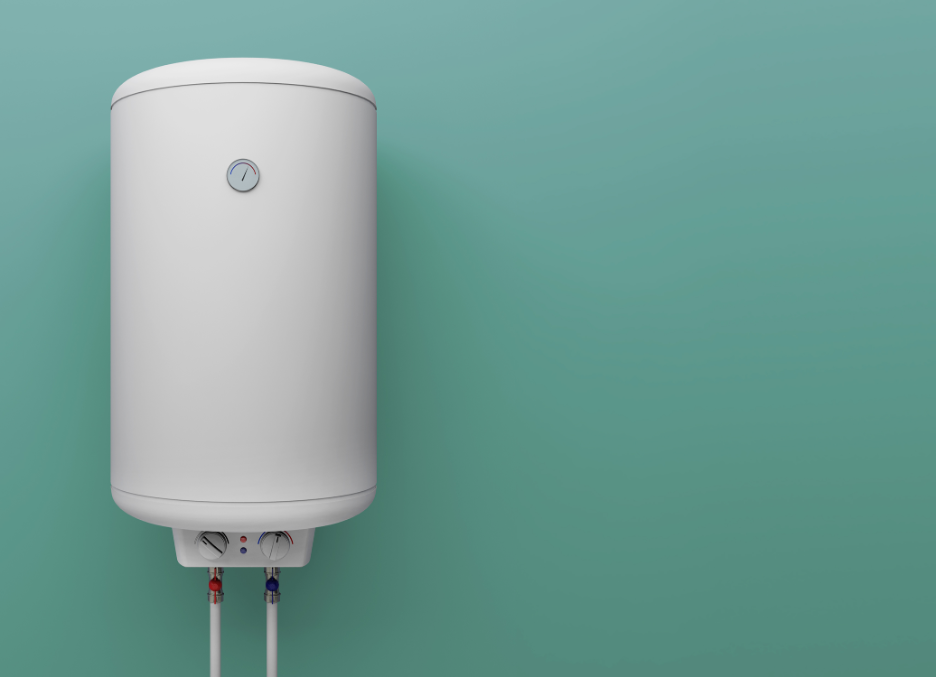
The unit’s placement may change as well. Tankless heaters are compact and usually mounted on a wall. Installing a tankless system can free up valuable space in areas like basements.
How does hot water delivery change with a tankless system?
Because tankless heaters warm water only when it flows through the unit, there may be a brief delay after turning on the tap while the system detects the flow and starts heating. Once activated, however, the heater can provide a continuous supply of hot water if the demand stays within the unit’s capacity.
Most tankless heaters produce about 2 to 5 gallons per minute (GPM), though the exact flow rate depends on the model. Gas units generally deliver higher output than electric ones.
Tankless systems must be sized based on flow rate and temperature rise so they can support multiple household uses (say, showers and laundry) at the same time. When correctly sized and installed by a professional water heater replacement company in Winnetka, Illinois, a tankless system can deliver a steady supply of hot water without running out like a traditional storage tank.
Looking for a water heater replacement company in Winnetka, Illinois?
If you’re searching for a top-rated water heater replacement company in Winnetka, Illinois, look no further than R. Carrozza Plumbing Co. Our experienced technicians specialize in replacing and upgrading hot water systems, including both traditional tank models and modern tankless units. Contact us today to schedule your water heater replacement consultation.